
Picking a niche is the decision that shapes everything else in a dropshipping business: your audience, your ads, your suppliers, your margins. Get it right and the rest of the work compounds. Get it wrong and no amount of ad spend saves the store.
The trouble with most “best niches” lists is that they stop at naming categories. Naming a niche is the easy part. The harder, more useful questions are: what actually makes a niche worth entering, which categories fit that bar in 2026, and how do you check before you commit real money? This guide answers all three.
TL;DR: Choosing a Dropshipping Niche
- A good niche has five traits: steady demand, a passionate or repeat-buying audience, healthy margins, low shipping complexity, and room to differentiate.
- Five strong niches for 2026: Pet Supplies, Health & Wellness, Home Goods & Decor, Drinkware & Hydration, and Outdoor & Travel gear.
- Narrow beats broad. A focused store builds trust and repeat customers; a general store competes on price and loses.
- Always validate before committing. Check demand trend, audience activity, and competition density first. The process is at the end of this guide.
What Makes a Dropshipping Niche Profitable?
Not every popular category makes a good dropshipping niche. The profitable ones share five traits.
Steady, durable demand. People buy in the category consistently, year-round or on a predictable seasonal cycle, not in a one-week viral spike. Evergreen categories like pet and home goods qualify because demand does not evaporate when a trend cools.
A passionate or repeat-buying audience. The best niches have buyers who either care deeply (pet owners, hobbyists, new parents) or need to repurchase (consumables, refills). Passion lowers acquisition cost; repurchase raises lifetime value. Either one improves the ad math.
Healthy margins. There has to be enough spread between supplier cost and retail price to absorb advertising and still profit. Products with perceived value, personalization, or a clear problem-solving angle support better markups than commodity goods.
Low shipping complexity. Lightweight, durable, hard-to-break products keep fulfillment predictable. Heavy or fragile items eat margin in shipping and returns.
Room to differentiate. A niche where every store sells the identical AliExpress catalog at the same price is a race to the bottom. The good niches let you stand out through branding, bundles, curation, or a specific sub-audience.
Miss several of these and the niche disappoints no matter how large the market looks.
The 5 Best Dropshipping Niches for 2026
These five categories meet the criteria above and show up consistently across current trend reporting, including niche roundups from AutoDS and Carro, and monthly trend updates from USAdrop.
Pet Supplies
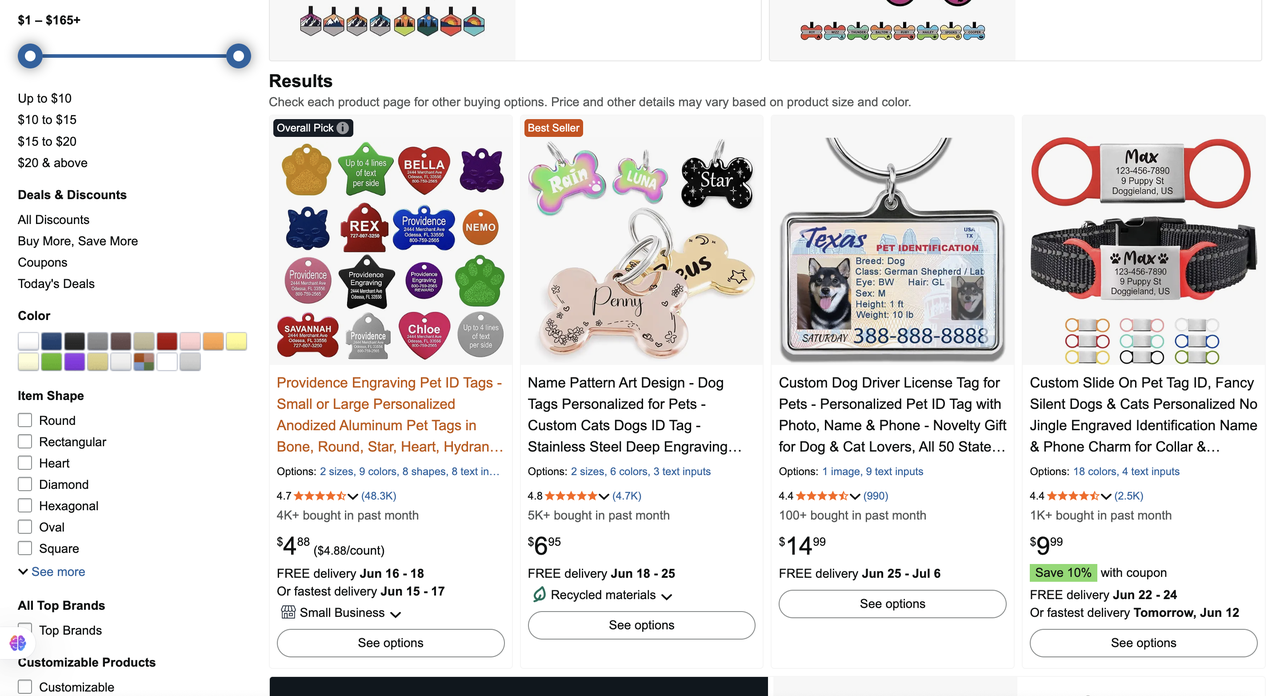
The most consistently recommended niche for 2026, and for good reason. Pet owners treat animals as family and keep spending through economic downturns, which makes demand unusually recession-resistant. The category is also deeply segmentable: you can build a store around a specific breed, animal, or product type. Consumables (food, treats, supplements) drive repeat purchases, while personalized accessories and smart pet tech support higher margins. Lightweight accessories with an emotional buying trigger are the sweet spot.
Health & Wellness
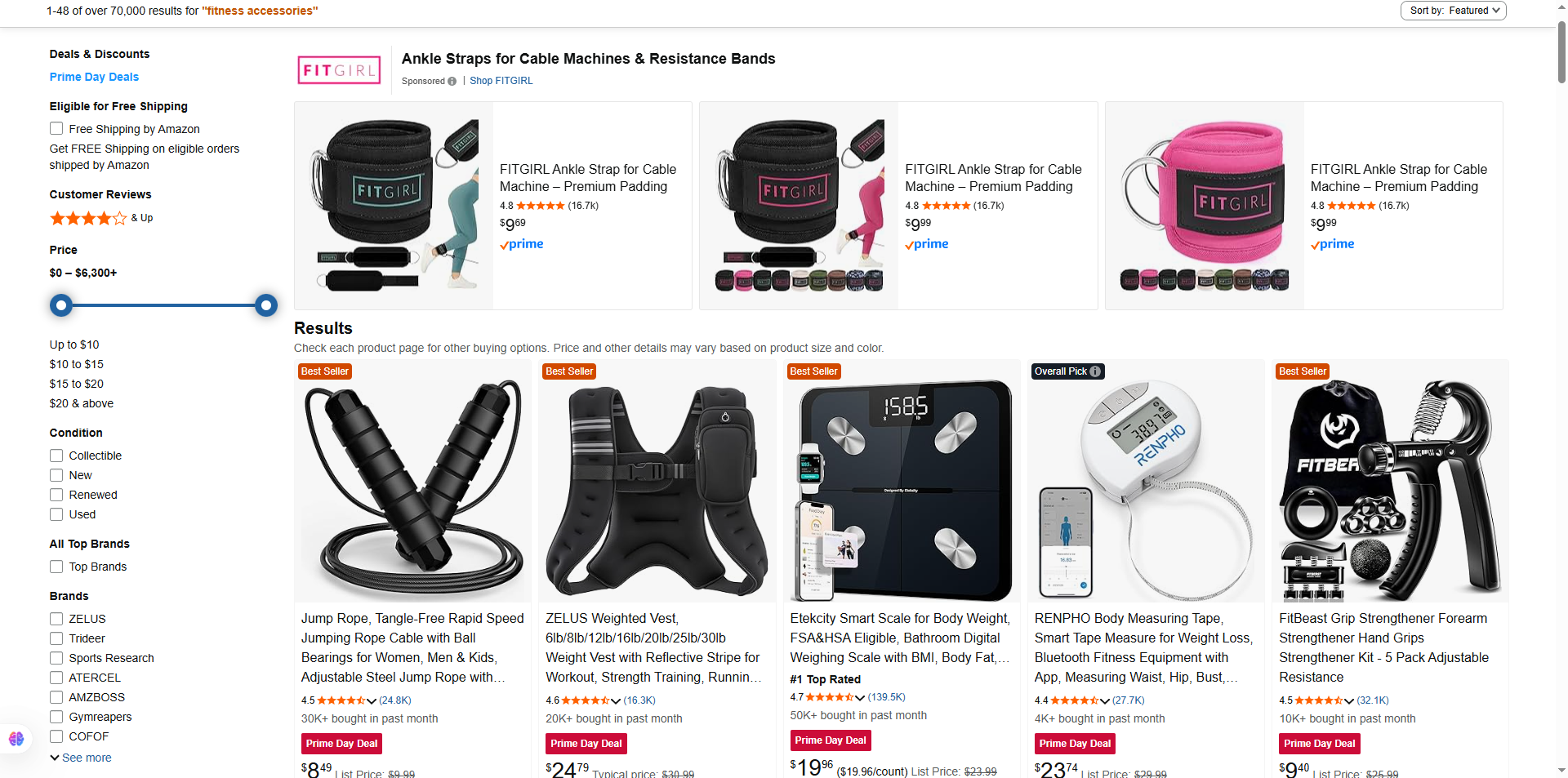
At-home self-care continues its long-term rise: massage and recovery devices, sleep aids, aromatherapy, fitness accessories. The category benefits from strong gifting demand around occasions, and it refreshes constantly as new device variants launch, which keeps the product mix fresh. Be aware that health claims attract ad-platform and regulatory scrutiny, so positioning matters more here than in most niches.
Home Goods & Decor
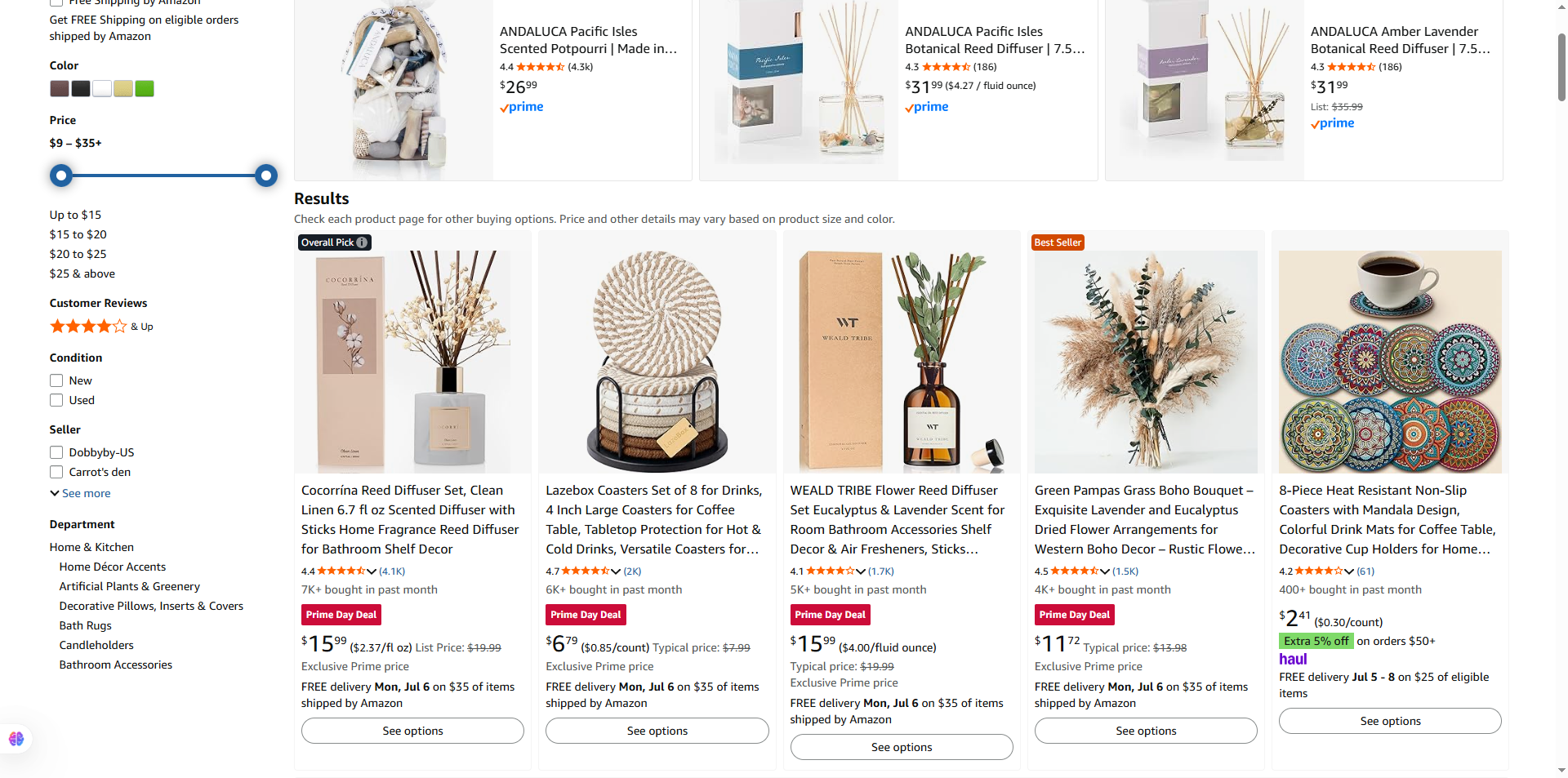
Driven by sustained interest in home improvement and interior design, home goods stays a 2026 staple. The winning approach is decorative and accessory items (wall art, candles, organizers, small furnishings) rather than large furniture, because they are lightweight, affordable, and demo well in short video. Margins are healthy and seasonal design trends create regular demand spikes.
Drinkware & Hydration
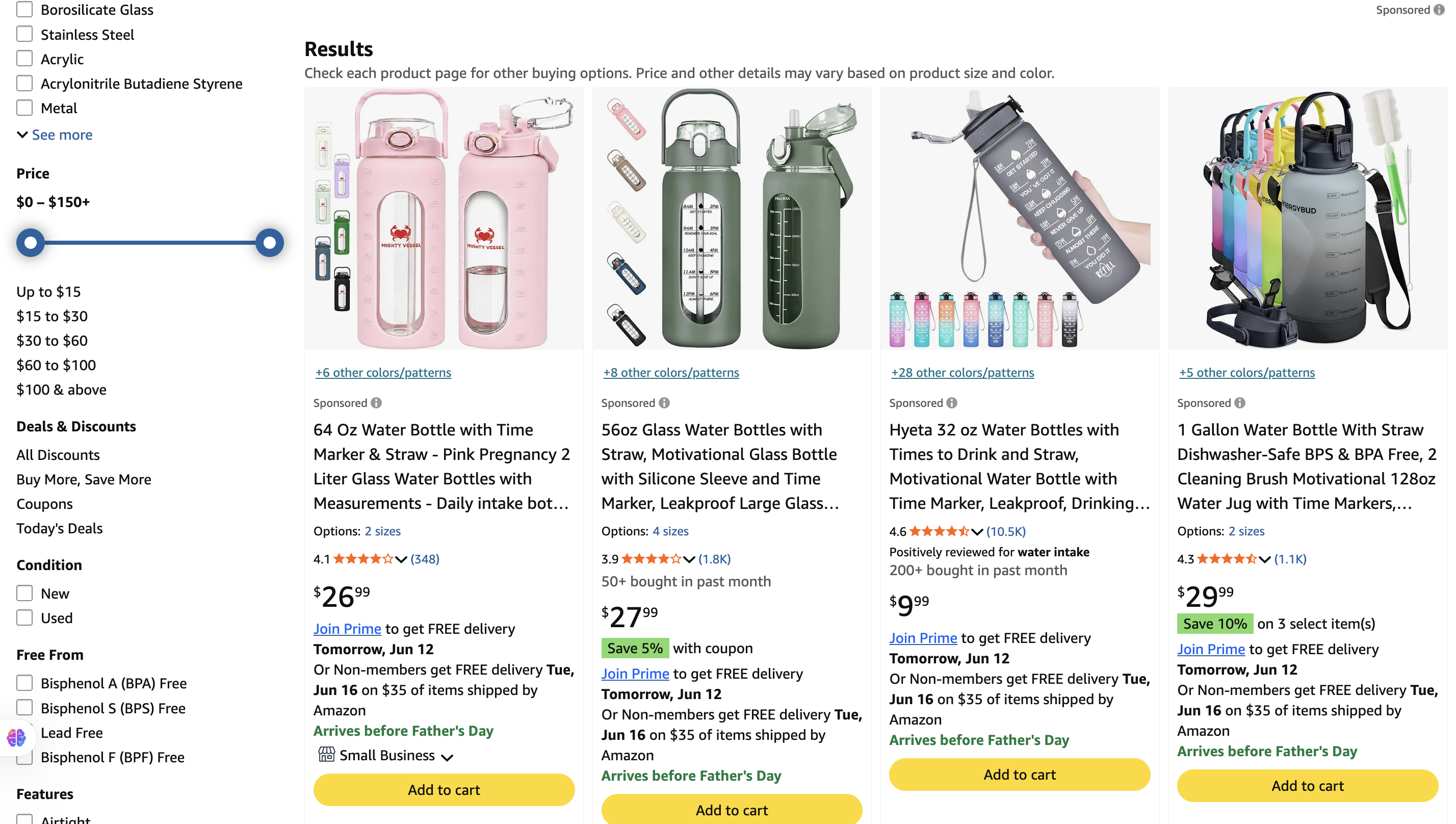
Insulated bottles, tumblers, and the accessory ecosystem around them (lids, straws, cleaning kits, carriers) appear across 2026 quarterly trend lists as consistent performers. The mainstream bottle market is crowded, but the accessory sub-niche is where new sellers find room the big brands leave open. Light, cheap to ship, and easy to bundle.
Outdoor & Travel Gear
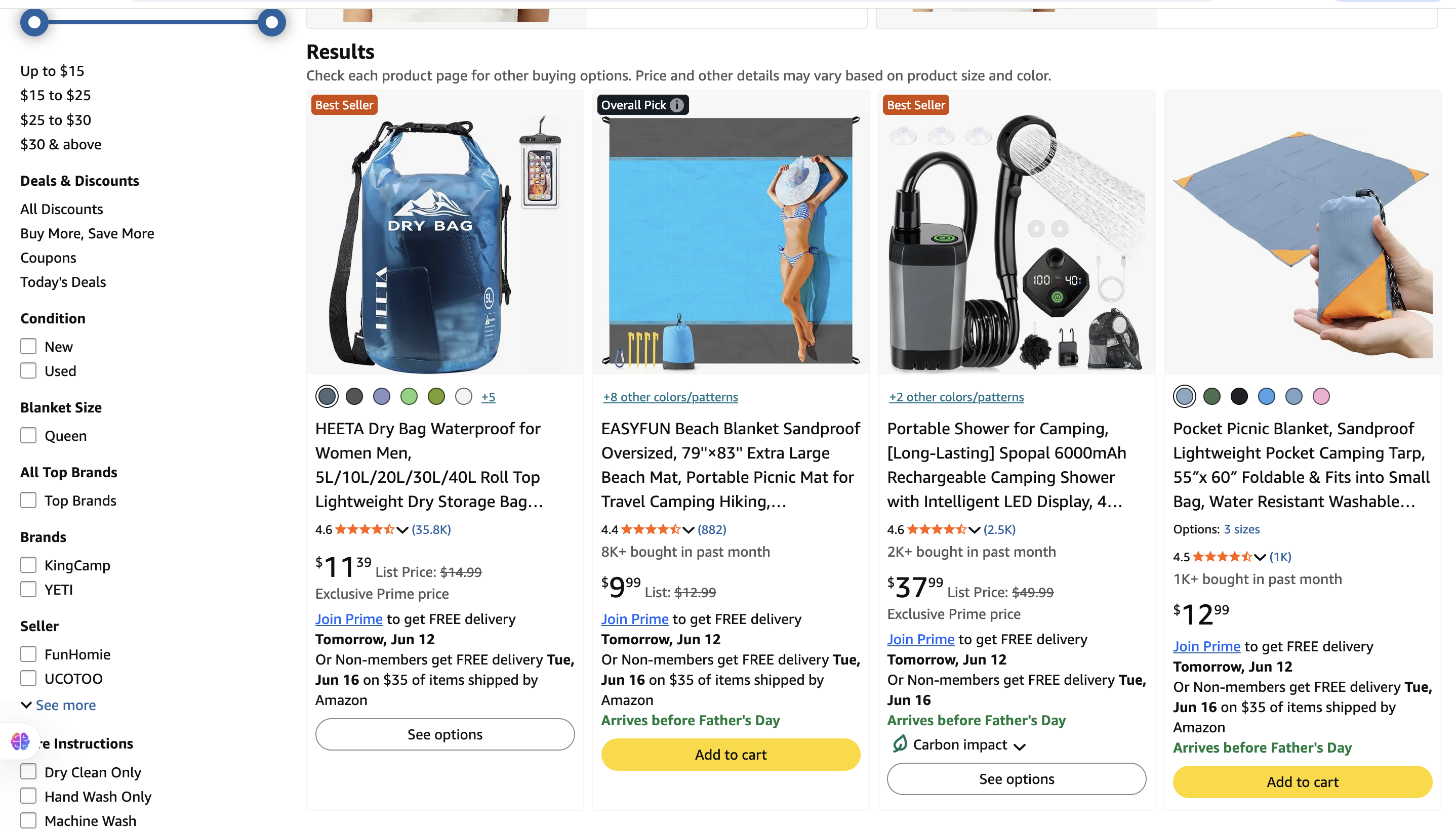
Packing cubes, portable fans, insulated containers, compact camping accessories. Lightweight, easy to ship, and seasonally predictable, with demand concentrating through spring and summer. Trend updates repeatedly flag outdoor and travel as a reliable warm-weather niche, giving a clear entry window each year.
Niches to Approach With Caution
Some categories look tempting but punish dropshippers:
- Generic electronics and phone accessories. Massive demand, but saturated to the point of pure price competition, and electronics carry higher return and warranty headaches.
- Fast fashion and generic apparel. Sizing returns and trend volatility make margins fragile unless you have a strong brand angle.
- Heavy or fragile goods. Large furniture, glassware, anything that ships expensively or breaks in transit erodes margin through shipping and returns.
A saturated niche is not automatically off-limits (saturation signals real demand), but you need a specific differentiation angle to enter one.
Narrow Niche vs General Store
A narrow niche store almost always outperforms a general store for dropshippers. Specialization lets you target a specific audience with messaging that resonates, build trust as a category specialist, and face less direct competition than broad categories. It also makes content marketing and repeat purchases far easier, because your whole catalog speaks to one audience.
General stores have one legitimate use: fast product testing across categories before you commit. Many successful sellers start broad to find a consistent performer, then transition that traffic into a focused niche store. Use the general store as a testing ground, not a destination.
How to Validate a Niche Before You Commit
Never commit to a niche on a list’s say-so, including this one. Run a quick validation first.
- Check the demand trend. Use Google Trends to look at search interest for the niche’s main keywords over the past few years. You want stable or rising interest, not a declining line.
- Confirm an active audience. Search the niche on TikTok, Instagram, and Pinterest. Active communities, popular hashtags, and influencer content signal a passionate audience you can reach.
- Gauge competition density. Look at similar products on Amazon and AliExpress. High demand is good; overwhelming competition from major brands with tens of thousands of reviews is a warning. You want categories where new entrants can still rank.
- Run the margin math. Compare supplier costs on AliExpress against retail prices on competitor sites. Confirm there is enough spread to cover ad costs and still profit.
- Find the specific products worth testing. Once a niche passes, the next step is identifying which products inside it are actually climbing. That is a separate, data-driven process: track the niche’s Best Sellers rankings over time and watch which products rise. Our guide on how to find winning products walks through the full method, with a real example from the Health & Wellness niche.
Work through those five and you replace “this list said pet supplies is good” with “I have confirmed demand, audience, competition, and margin for my specific market.”
How to Research Niches Faster With Octoparse
Steps 3 and 4 above (gauging competition and checking margins) mean pulling product data from Amazon and AliExpress, which is slow by hand across a whole niche. Octoparse is a no-code way to collect it in bulk. If you would rather pull AliExpress data programmatically, here is what the AliExpress API does and does not give you.
Sizing up competition across a whole category
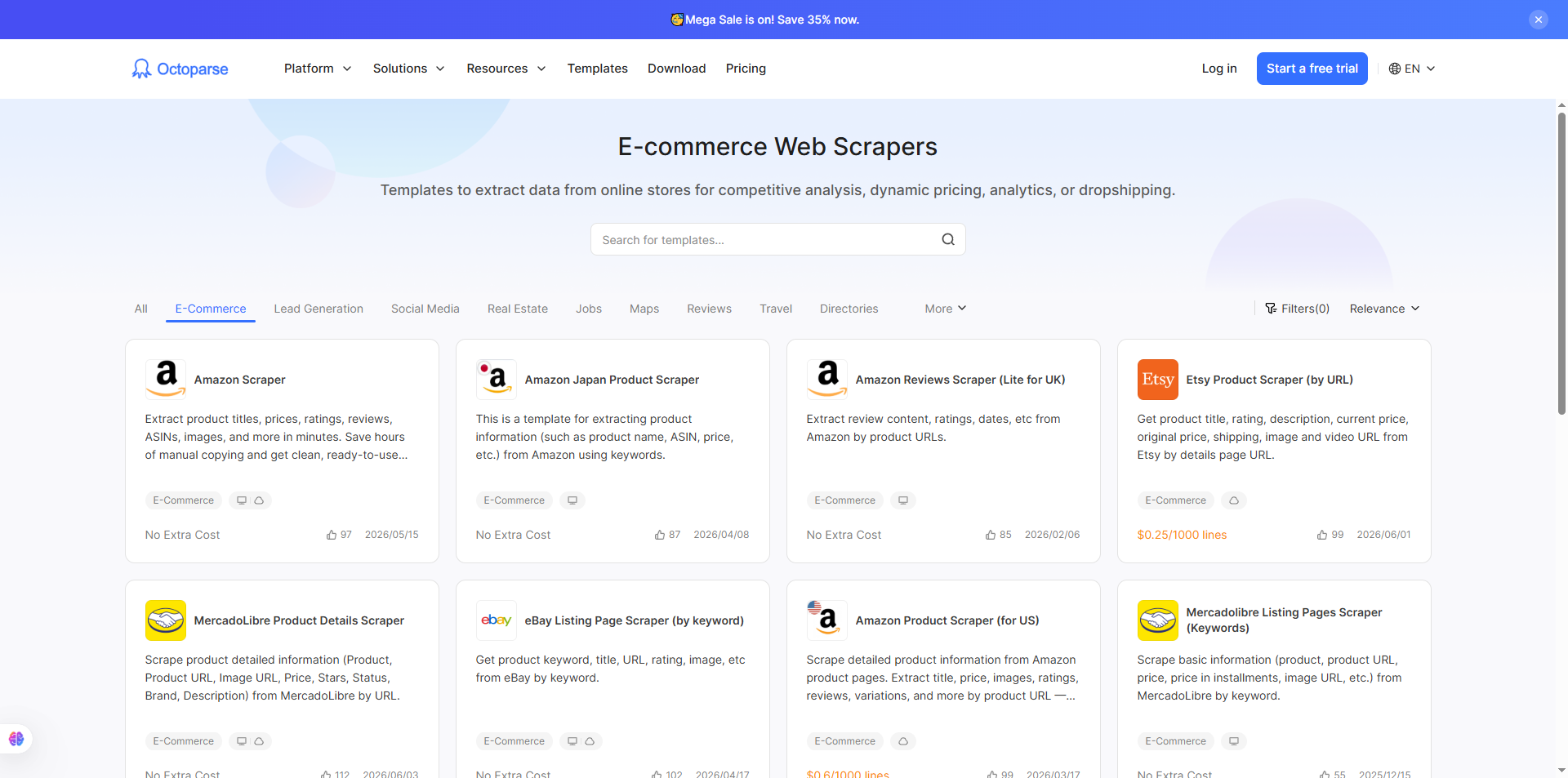
Instead of eyeballing listings one by one, the Amazon Best Sellers Scraper by Category exports an entire category’s top products with prices, ratings, and review counts in one run. Review counts across the category tell you fast whether incumbents are entrenched or whether there is room to enter.
https://www.octoparse.com/template/amazon-best-sellers-scraper-by-category
Comparing supplier costs against retail
Pair marketplace data with supplier prices using the templates in the template library, which covers AliExpress, eBay, and more. Pulling both sides into one sheet turns the margin check from guesswork into a calculation.
Letting AI do the niche research with you
Octoparse’s MCP server connects these extractions to AI assistants like Claude, ChatGPT, and Cursor, so you can ask for a category’s competition snapshot in plain language. Free and Basic accounts include 2,000 records per week through MCP at no extra cost. For heavier research, paid plans start at $83 per month on the pricing page.
Create a free account to pull your first category in a few minutes, no code required.
FAQ: Dropshipping Niches
What is the most profitable dropshipping niche in 2026?
There is no single winner, because profitability depends on competition and margin in your specific market, not just category size. The most consistently recommended niches for 2026 are Pet Supplies, Health & Wellness, Home Goods & Decor, Drinkware, and Outdoor & Travel gear. The profitable choice is the one where you can confirm demand, reach an audience, and still find margin after competition.
How do I choose a dropshipping niche?
Start from the five traits of a good niche: steady demand, a passionate or repeat-buying audience, healthy margins, low shipping complexity, and room to differentiate. Shortlist categories that fit, then validate each with Google Trends, social media activity, marketplace competition, and margin math before committing.
Is a niche store better than a general store?
For most dropshippers, yes. A narrow niche store builds audience trust, faces less direct competition, and makes marketing and repeat purchases easier. A general store is useful mainly as a temporary testing ground to find a winning category before you specialize.
How do I know if a niche is too saturated?
Saturation itself signals real demand, so it is not automatically disqualifying. The warning sign is when the top listings are dominated by major brands with tens of thousands of reviews and prices clustered at the bottom. If new entrants cannot realistically rank or differentiate, look for a sub-niche within the category instead.
How often do the best dropshipping niches change?
Broad niches like pet and home goods evolve slowly and stay viable for years. What changes fast is which products inside them are trending, sometimes weekly. That is why choosing a durable niche and then tracking products within it beats chasing whatever category is hot this month.
Which dropshipping niches should beginners avoid?
Beginners should be cautious with generic electronics and phone accessories (saturated, higher returns), fast fashion (sizing returns, trend volatility), and heavy or fragile goods (shipping and breakage costs). These can work with a strong differentiation angle, but they are unforgiving for a first store.